When most people think of acne, they picture teenagers navigating puberty and hormonal changes. However, acne is far more complex than many realise. It affects people of all ages, and for many adults, breakouts can continue well into their 30s, 40s, 50s and beyond.
As we recognise Acne Awareness Month, it’s important to understand that it is a common skin condition, not a sign of poor hygiene, and certainly not something that only affects adolescents. Whether you’re a teenager dealing with your first breakouts or an adult experiencing unexpected flare-ups, there are effective ways to manage and support healthier skin.
What Causes Acne?
Acne develops when hair follicles become clogged with excess oil (sebum), dead skin cells and bacteria. This can lead to blackheads, whiteheads, papules, pustules and deeper cystic lesions.
Common triggers include:
- Hormonal fluctuations
- Stress
- Genetics
- Certain medications
- Diet and lifestyle factors
- Inappropriate skincare products
While the underlying causes may be similar, acne often presents differently depending on age.
Teenage Acne
Teenage acne is primarily driven by hormonal changes during puberty. Increased androgen hormones stimulate oil production, making the skin more prone to congestion and inflammation.
Teenagers commonly experience:
- Oily skin
- Blackheads and whiteheads
- Inflammatory spots on the face, chest and back
- Fluctuating breakouts linked to hormonal changes
For many young people, it can significantly affect self-esteem and confidence. Early intervention and professional guidance can help reduce both active breakouts and the risk of long-term scarring.
Adult Acne: More Common Than You Think
Many adults are surprised when it continues beyond their teenage years or appears for the first time later in life.
Adult acne is particularly common in women and may be linked to:
- Hormonal changes during menstrual cycles
- Pregnancy and post pregnancy
- Perimenopause and menopause
- Stress and cortisol fluctuations
- Certain medications
- Underlying health conditions
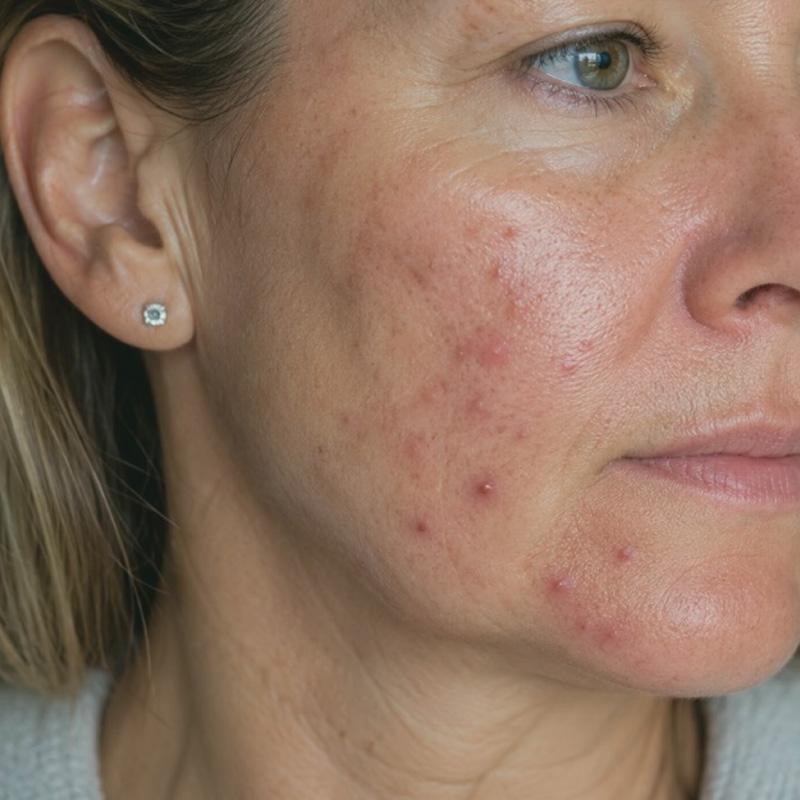
Adult acne often appears around the jawline, chin, neck, and lower face and can be more persistent and inflammatory than teenage acne.
Breakouts can be especially frustrating as they often occur alongside concerns such as fine lines, dehydration, rosacea or increased skin sensitivity.
The Emotional Impact
It is more than a cosmetic concern. Studies have shown that persistent acne can affect confidence, social interactions, mental wellbeing and overall quality of life.
Many people feel embarrassed or self-conscious about their skin, regardless of age. Acne Awareness Month helps to challenge misconceptions and encourages open conversations about the physical and emotional impact of this common condition.
Supporting Acne-Prone Skin
Successful acne management often requires a combination of approaches, including:
- Consistent skincare routines
- Professional skin assessments
- Appropriate active ingredients
- Lifestyle and stress management
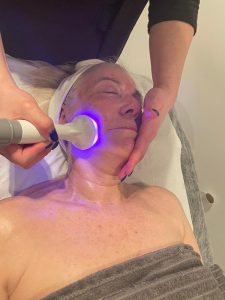
- Targeted skin treatments
Every skin is different, which is why personalised advice is essential when creating an effective treatment plan.
There’s No Age Limit
Whether you’re a teenager experiencing your first breakout or an adult managing persistent hormonal acne, you’re certainly not alone.
It can affect people at every stage of life, but with the right support, education and treatment options, clearer and healthier skin is achievable.
If you’re struggling with acne or would like to learn more about how my treatments could support your skin journey, get in touch to book a consultation